
How to Choose Steel Fabrication Partner: Key Criteria to Consider
Selecting the right steel fabrication partner is a critical decision for any industrial project. Whether you’re managing mining, construction, or heavy machinery operations, partnering with a reliable fabricator ensures your projects run smoothly, equipment lasts longer, and downtime is minimized. With countless fabrication companies in the market, it can be challenging to know where to start. This guide will help you understand how to choose a steel fabrication partner by focusing on essential criteria that guarantee quality, reliability, and precision.
Understand Your Project Requirements
Before approaching any steel fabricator, it’s important to have a clear understanding of your project’s scope and requirements. Are you seeking custom wear parts for heavy machinery, structural steel components for construction, or large-scale industrial assemblies? Clearly defining the materials, dimensions, and specifications needed for your project will help you identify fabricators capable of meeting your unique requirements.
Determine Material and Process Needs
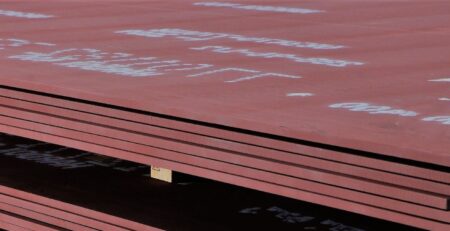
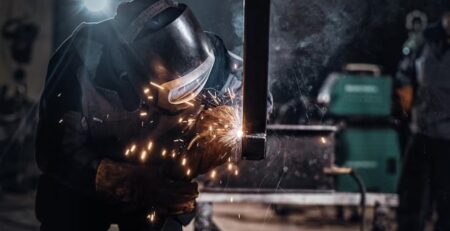
Different projects require different types of steel and fabrication processes. Some tasks demand high-performance wear-resistant steel, while others require standard structural steel. Additionally, processes such as cutting, bending, welding, or finishing must align with your project goals. A fabricator’s expertise in specific materials and processes directly impacts the quality and longevity of your components. Ensuring that your steel fabrication partner can handle your material and process requirements is a foundational step in making an informed choice.
Check Certifications and Compliance
Certifications are a reliable indicator of a fabricator’s credibility and commitment to quality. Look for industry-recognized certifications such as ISO standards, ASTM compliance, or other local safety and quality approvals. Certifications demonstrate that the fabricator adheres to rigorous quality control measures, legal regulations, and safety protocols.
Working with a certified partner not only reduces project risks but also assures you that the components delivered will meet industry standards. For industrial projects, where equipment durability and operational safety are paramount, partnering with a certified fabricator is non-negotiable.
Evaluate Equipment Capability
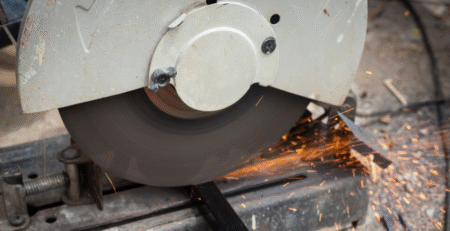
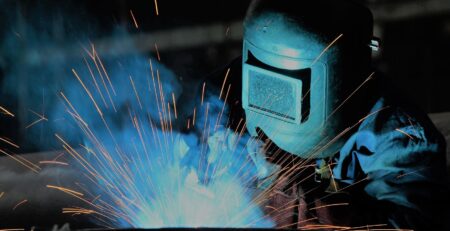
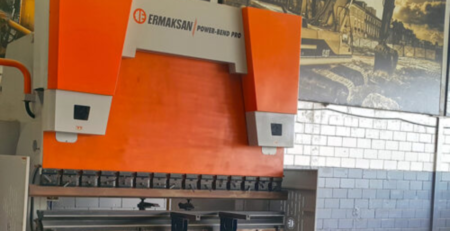
Modern projects demand precision, efficiency, and scalability. Therefore, evaluating a steel fabricator’s equipment capability is essential. Consider whether the fabricator has advanced machinery for cutting, bending, welding, and forming steel components. You can explore ULTAMETALLIC’s full services to see how advanced equipment ensures high-quality results and precise execution.
Assess Quality Standards
Quality standards are the backbone of any successful fabrication project. A reliable steel fabricator should implement strict quality assurance protocols, including thorough inspections, testing procedures, and documentation for every component.
High-quality fabrication reduces downtime, prevents premature wear, and extends the lifespan of your equipment. For industrial applications, where precision and durability are critical, ensuring that the fabricator maintains consistent quality standards is essential. Check whether the company has a proven track record of delivering defect-free components and if they follow standardized testing methods to guarantee performance.
Review Portfolio and Track Record
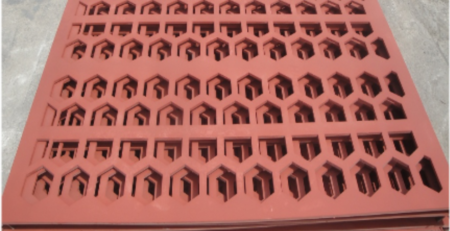
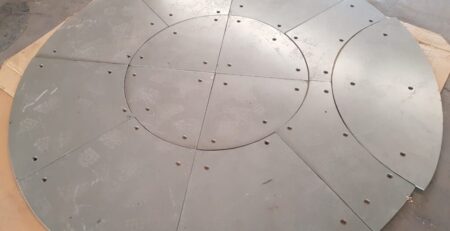
A fabricator’s past work is a window into their capabilities and expertise. Review the company’s portfolio to evaluate the diversity, scale, and complexity of previous projects. Look for examples of projects similar to yours, especially in terms of material type, size, or industrial application.
Portfolio review helps you understand how the fabricator approaches complex projects, problem-solving, and precision work. Additionally, speaking with previous clients or reading testimonials can provide insights into their reliability, communication, and adherence to deadlines. A fabricator with a strong portfolio demonstrates not only technical proficiency but also the ability to deliver consistent results under demanding conditions.
Consider Response Time and Communication
Effective communication is critical in any industrial project. Evaluate how quickly the fabricator responds to inquiries, provides quotes, and addresses technical questions. Timely communication ensures that your project stays on schedule and helps prevent costly delays.
A reliable steel fabrication partner should provide clear updates at every stage, from design consultation to production and delivery. This responsiveness reflects their commitment to customer satisfaction and project success. Companies like ULTAMETALLIC maintain open channels of communication, ensuring buyers and project leads are informed throughout the fabrication process.
After-Sales Service and Support
Choosing a fabricator is not just about the initial delivery; after-sales service is equally important. Industrial projects often require support for installation, troubleshooting, and ongoing maintenance of fabricated components. A partner offering strong after-sales service adds long-term value to your investment, reduces downtime, and ensures operational efficiency.
Look for fabricators that provide post-project support, guidance on installation or maintenance, and solutions for any issues that may arise after delivery. This level of service demonstrates a commitment to customer success beyond the production stage.
Final Checklist for Selecting the Right Fabrication Partner
To summarize, when determining how to choose a steel fabrication partner, consider the following criteria:
- Certifications: Ensure industry compliance and adherence to safety standards.
- Equipment Capability: Verify the fabricator has the machinery and technology to handle your project.
- Quality Standards: Confirm robust quality control measures and testing protocols.
- Portfolio Review: Evaluate past projects to understand their expertise and reliability.
- Response Time: Assess communication and project coordination efficiency.
- After-Sales Service: Check for ongoing support and maintenance offerings.
Using this checklist can streamline the decision-making process and help you select a fabricator who meets both technical and operational expectations.
Why Partner with ULTAMETALLIC
ULTAMETALLIC specializes in high-performance wear parts and custom steel fabrication, delivering strength, durability, and precision for the toughest industrial applications. As an authorized Hardox partner, ULTAMETALLIC provides advanced cutting, bending, and welding capabilities to manufacture wear solutions that reduce downtime, extend equipment life, and keep mining, construction, and heavy industries running stronger for longer.
With certifications, modern equipment, stringent quality standards, a proven portfolio, responsive communication, and strong after-sales support, ULTAMETALLIC stands out as a trusted partner for industrial steel fabrication.
Conclusion
Selecting the right steel fabrication partner is a decision that can significantly impact the success of your project. By focusing on certifications, equipment capability, quality standards, portfolio review, response time, and after-sales service, you can ensure that your components are manufactured to the highest standards and delivered on time.
For buyers and project leads looking for reliable, high-performance steel fabrication, ULTAMETALLIC provides the expertise, technology, and support needed to keep industrial operations running efficiently and effectively. Partner with ULTAMETALLIC today to experience precision, durability, and service excellence for your steel fabrication projects.
FAQ
1. What is the first step in choosing a steel fabrication partner?
Understanding your project’s specific material, size, and process requirements is the essential starting point.
2. Why are certifications important in steel fabrication?
Certifications ensure the fabricator follows strict industry quality, safety, and compliance standards.
3. How does equipment capability affect fabrication quality?
Advanced machinery enables higher precision, efficiency, and consistency in steel components.
4. Why should I review a fabricator’s portfolio?
A portfolio shows their experience, project diversity, and ability to handle work similar to yours.
5. What makes communication important during a fabrication project?
Fast, clear communication helps prevent delays and keeps the entire fabrication process on schedule.