When Does Heavy Equipment Bucket Maintenance Become Critical?
Introduction
Excavator buckets, loader buckets, and heavy equipment attachments work in some of the toughest operating conditions on site. They face constant impact, abrasion, shock loading, and contact with rock, sand, gravel, demolition material, clinker, limestone, and other aggressive materials. Over time, bucket edges, teeth, adapters, side cutters, liners, side plates, and structural sections begin to wear. If this wear is ignored, the bucket can lose digging efficiency, consume more fuel, damage related machine components, and eventually fail during operation.
For contractors, quarries, crushers, mining operations, cement plants, industrial maintenance teams, and heavy equipment workshops in Saudi Arabia, bucket maintenance is not only a repair activity. It is a practical way to control downtime, improve productivity, protect equipment investment, and extend bucket service life. A well-maintained bucket loads faster, cuts cleaner, retains material better, and reduces unnecessary strain on the excavator or wheel loader.
At Ultametallic, we operate as a specialized steel fabrication workshop and Authorized Hardox® Wear parts Center in Riyadh, Saudi Arabia. We support customers with bucket repair and wear protection solutions, Hardox® wear parts, reinforcement work, CNC cutting services, industrial welding, and custom steel fabrication for demanding field applications.
What Is Bucket Maintenance?
Bucket maintenance includes inspection, repair, rebuilding, reinforcement, and replacement of worn components to keep the bucket safe, productive, and suitable for its working application. It may be required for excavator buckets, loader buckets, rock buckets, general-purpose buckets, crusher and quarry applications, demolition attachments, and other heavy-duty equipment used in abrasive environments.
The main purpose of bucket maintenance is to identify wear before it becomes a major structural problem. This can include replacing bucket teeth and adapters, repairing cracks and damaged welds, rebuilding worn cutting edges, adding wear liners, replacing side cutters and wear plates, correcting deformation, and reinforcing high-impact areas. When maintenance is done at the right time, the bucket continues to perform properly without putting unnecessary stress on the machine.
Why Bucket Maintenance Matters
A bucket is directly responsible for digging, loading, carrying, and handling material. When the bucket is worn, the entire machine becomes less efficient. Operators may need more passes to load the same quantity of material, penetration into the ground may become slower, and cycle times may increase. These small losses can become expensive when the machine works every day in a quarry, crusher, construction project, or mining operation.
Ignoring bucket wear can lead to reduced digging performance, higher fuel consumption, increased machine strain, material spillage, premature structural failure, and unplanned downtime. In many cases, a small crack or worn edge that could have been repaired early becomes a major rebuilding job if it is left too long. This is why regular inspection and timely repair are essential parts of equipment maintenance planning.
Signs That Bucket Maintenance Becomes Critical
Bucket maintenance becomes critical when wear starts affecting productivity, safety, fitment, or structural strength. At this stage, the bucket is no longer simply showing normal wear; it is beginning to create operational risk. The following signs usually indicate that inspection or repair should not be delayed.
1. Visible Cracks and Structural Damage
Cracks in the bucket shell, weld areas, side plates, mounting zones, or reinforcement sections should be treated seriously. Small cracks can grow quickly under heavy loading conditions, especially when the bucket works with rock, hard soil, or demolition material. Once a crack spreads, it may weaken the structure and increase the cost of repair.
Early crack repair helps prevent major structural failure. A professional fabrication workshop can inspect the damaged area, remove weak sections if required, prepare the surface correctly, weld the crack, grind and finish the repair area, and add reinforcement where needed. This approach helps restore strength instead of only covering the visible damage.
2. Worn Cutting Edges and Teeth
Cutting edges and teeth are among the first components to show wear because they are in direct contact with the ground or material. When bucket teeth become rounded, broken, missing, or uneven, the bucket requires more force to penetrate the material. When the cutting edge becomes thin or deformed, digging efficiency decreases and the machine may consume more fuel.
Replacing worn teeth, adapters, and cutting edges at the right time protects the bucket body from further damage. In demanding applications, wear-resistant steel and proper edge reinforcement can help improve service life. Ultametallic can support customers with Hardox® wear parts solutions and wear-resistant reinforcement for buckets exposed to abrasion and impact.
3. Reduced Digging Performance
Operators are often the first to notice that a bucket is no longer performing correctly. Warning signs include slower penetration, difficult loading, poor material flow, reduced bucket filling, longer cycle times, and the need for extra machine power. These symptoms may appear gradually, which is why they are sometimes ignored until the bucket becomes difficult to use.
Common causes include worn wear parts, an incorrect or damaged bucket profile, structural deformation, excessive edge wear, and worn internal liners. A detailed inspection can identify whether the problem requires simple wear part replacement, edge rebuilding, side reinforcement, or complete bucket repair.
4.Material Leakage and Poor Retention
A bucket that spills material during loading, lifting, or travel may have worn side walls, holes in the shell, damaged internal liners, deformed structure, or excessive internal wear. Material leakage reduces productivity and creates additional cleanup requirements on site. It may also create safety concerns, especially when lifting or loading near workers, trucks, crushers, or processing equipment.
Repairing worn areas and adding suitable liners or wear plates can restore material retention and protect the bucket from further abrasion. In high-wear applications, reinforcing the internal floor, side walls, and impact zones is often more cost-effective than waiting until the bucket body is severely damaged.
Types of Bucket Maintenance
1. Preventive Maintenance
Preventive maintenance focuses on identifying wear before major failure occurs. It includes scheduled inspections, cleaning, minor welding repairs, replacement of worn teeth and liners, edge reinforcement, and checking weld areas for early cracks. This type of maintenance is especially useful for customers operating in abrasive quarrying, crushing, mining, and cement plant environments.
2. Corrective Bucket Repair
Corrective repair is required when the bucket already has significant wear or damage. This may include crack repair, structural rebuilding, edge replacement, reinforcement welding, bucket floor repair, side plate replacement, and rebuilding work. Ultametallic supports customers with bucket repair and wear protection services for heavy equipment applications in Saudi Arabia.
3. Wear Protection Solutions
Wear protection is critical in applications where abrasion and impact are continuous. Common solutions include Hardox® wear plates, internal liners, side protection, wear bars and strips, reinforced high-impact zones, and custom-fabricated wear packages. As an Authorized Hardox® Wearparts Center, Ultametallic provides wear-resistant steel solutions designed for demanding industrial and heavy equipment applications.
Best Practices for Excavator Bucket Maintenance
Effective bucket maintenance starts with consistent inspection. Operators and maintenance teams should regularly check bucket teeth, adapters, cutting edges, weld areas, wear plates, side cutters, liners, structural cracks, and mounting points. Cleaning the bucket after use also helps because compacted material can hide cracks, corrosion, and worn areas.
Timely replacement of worn parts is another important practice. Waiting until teeth, edges, or liners are completely worn out often exposes the bucket body to direct damage. Once the main structure is affected, the repair becomes more expensive and may require longer downtime. Using suitable wear-resistant materials and proper welding procedures also helps improve the durability of repairs.
Common Bucket Maintenance Mistakes
Common mistakes include ignoring small cracks, delaying repairs, using low-quality replacement parts, skipping routine inspections, welding over damaged areas without proper preparation, and waiting until complete failure occurs. These mistakes often lead to higher repair costs, reduced productivity, and longer machine downtime.
Choosing a Bucket Repair and Wear Protection Partner in Saudi Arabia
When selecting a repair partner, customers should consider practical experience with heavy equipment buckets, steel fabrication capability, welding quality, CNC cutting capability, knowledge of wear-resistant materials, ability to work from samples or drawings, and local response time. The workshop should understand both fabrication quality and real site conditions.
Ultametallic supports contractors, quarries, crushers, workshops, and industrial customers in Saudi Arabia with practical wear protection and fabrication solutions.
Our services include:
- Bucket repair and wear protection
- Hardox® wear parts manufacturing
- Steel fabrication solutions
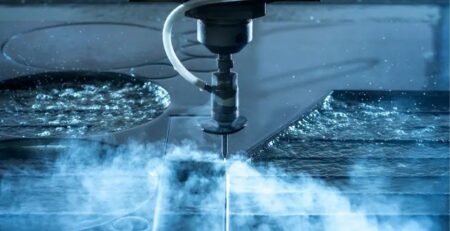
- CNC cutting services
- Industrial welding and repair
Conclusion
Heavy equipment bucket maintenance becomes critical when wear begins affecting digging performance, structural integrity, material retention, fitment, and machine reliability. Regular inspection, timely repair, and proper wear protection help reduce downtime, improve productivity, and extend bucket service life in demanding working conditions.
Need bucket repair or wear protection support in Saudi Arabia?
Contact Ultametallic for bucket rebuilding, Hardox® wear parts, reinforcement, and custom fabrication solutions.
FAQ
1. How do I know when a heavy equipment bucket needs repair?
Common warning signs include visible cracks, worn bucket teeth, damaged cutting edges, material leakage, structural deformation, reduced digging performance, and excessive wear on bucket floors or side walls.
2. What happens if bucket wear is ignored?
Ignoring bucket wear can lead to reduced productivity, higher fuel consumption, increased stress on the machine, premature structural failure, costly repairs, and unplanned equipment downtime.
3. Can a worn excavator bucket be repaired instead of replaced?
In many cases, yes. Bucket rebuilding and repair can restore performance through crack repair, cutting edge replacement, reinforcement, wear plate installation, liner replacement, and structural rebuilding, depending on the condition of the bucket.
4. How can Hardox® wear parts extend bucket service life?
Hardox® wear parts are designed to resist abrasion and impact better than conventional steel, helping reduce wear rates, extend maintenance intervals, and improve bucket durability in demanding applications.
5. What industries benefit most from bucket wear protection solutions?
Wear protection solutions are commonly used in mining, quarrying, crushing, cement plants, construction projects, material handling operations, and other applications involving abrasive materials.
6. What bucket wear protection solutions are available?
Common solutions include Hardox® wear plates, internal liners, side protection, wear bars, wear strips, cutting edge reinforcement, and custom-fabricated wear packages designed for specific operating conditions.
7. Can Ultametallic repair and rebuild heavy equipment buckets in Saudi Arabia?
Yes. Ultametallic provides bucket repair, rebuilding, reinforcement, industrial welding, CNC cutting services, and Hardox® wear protection solutions for heavy equipment operating throughout Saudi Arabia.
8. Why choose Ultametallic for bucket repair and wear protection?
Ultametallic is an Authorized Hardox® Wearparts Center in Riyadh, Saudi Arabia, supporting contractors, quarries, crushers, cement plants, and heavy equipment owners with practical wear protection, bucket rebuilding, steel fabrication, and repair solutions.