How Industrial Steel Fabrication Supports Heavy Equipment Projects in Saudi Arabia
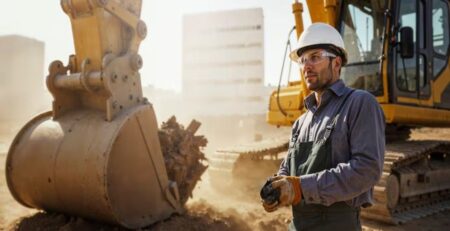
Heavy equipment projects depend on components that can meet demanding industrial requirements. From equipment buckets and structural parts to wear-resistant components and maintenance applications, fabricated steel plays an important role in supporting the operation and serviceability of heavy machinery. For industrial companies in Saudi Arabia, choosing suitable steel fabrication services can help address project-specific manufacturing and equipment requirements.
Steel fabrication is more than simply cutting and joining metal. It involves processes such as cutting, forming, bending, welding, and assembly, with each stage requiring appropriate equipment and technical knowledge. The choice of material and fabrication method also depends on the intended application.
Ultametallic serves the Saudi Arabian industrial market and also supports customers across GCC countries. Established in Saudi Arabia in 2018, the company operates as an approved SSAB Sweden service centre for the manufacture of wear-resistant parts from Hardox steel. Its capabilities include steel forming and manufacturing, metal cutting, CNC water jet cutting, bucket manufacture and maintenance, boom maintenance, and other industrial fabrication services.
Understanding the Role of Steel Fabrication in Heavy Equipment Projects
What Industrial Steel Fabrication Involves
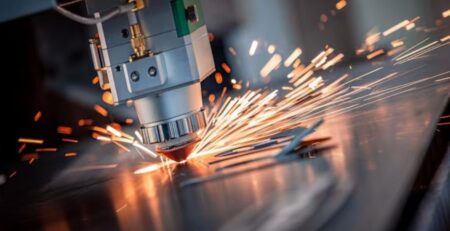
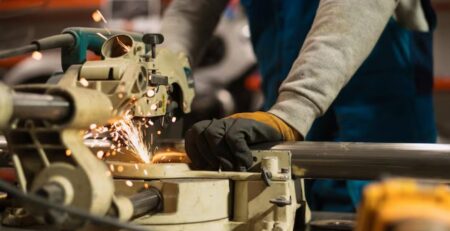
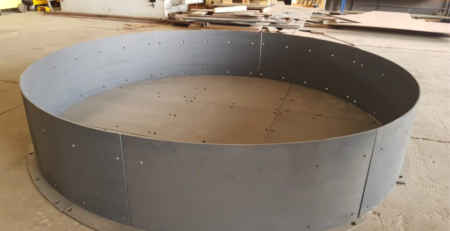
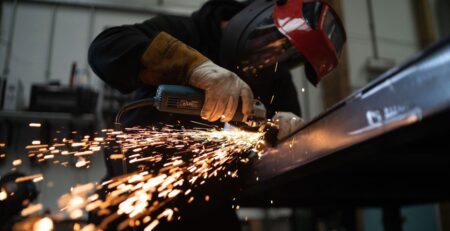
Industrial steel fabrication transforms steel into components designed for specific applications. Depending on project requirements, the process can involve cutting raw material to the required dimensions, forming or bending it into shape, drilling or punching where required, and assembling and welding individual pieces.
For heavy equipment projects, these processes may be used to produce new components, replacement parts, wear parts, or equipment assemblies. Accurate fabrication is important because fabricated components need to correspond with the required design, dimensions, and intended use.
Ultametallic provides steel manufacturing through processes such as cutting, folding, and assembly. Its workshop is equipped to manufacture components from Hardox and other types of steel according to customer requirements.
Why Fabricated Steel Is Important for Heavy Equipment
Heavy equipment operates in industrial environments where components can be exposed to significant loads, abrasion, impact, and continuous use. Fabricated steel can be used to produce components suited to these applications.
Material selection is particularly important for wear-intensive applications. Hardox steel, for example, is designed as a wear-resistant steel and is used in applications where resistance to wear is an important consideration.
As an approved Hardox service centre, Ultametallic provides fabrication and processing services for Hardox materials, including cutting, forming, and manufacturing of wear-resistant parts.
Key Benefits of Professional Steel Fabrication Services
Strength and Structural Reliability
Heavy equipment components need to be manufactured with the intended application in mind. Structural components, buckets, equipment parts, and other fabricated assemblies may need to handle demanding working conditions.
Professional fabrication allows the required steel material and fabrication process to be selected according to project specifications. Proper cutting, forming, welding, and assembly can contribute to producing components that correspond with the intended design.
For industrial companies, working with an experienced fabricator can provide access to the equipment and technical capabilities needed to manufacture steel components for demanding applications.
Precision and Project-Specific Fabrication
Not every industrial equipment requirement can be addressed with a standard component. Some projects require parts manufactured according to specific drawings, dimensions, shapes, or equipment configurations.
Project-specific fabrication allows industrial customers to communicate their requirements and have components produced accordingly. This can be particularly useful when manufacturing replacement parts, custom components, or equipment parts that are not available as standard products.
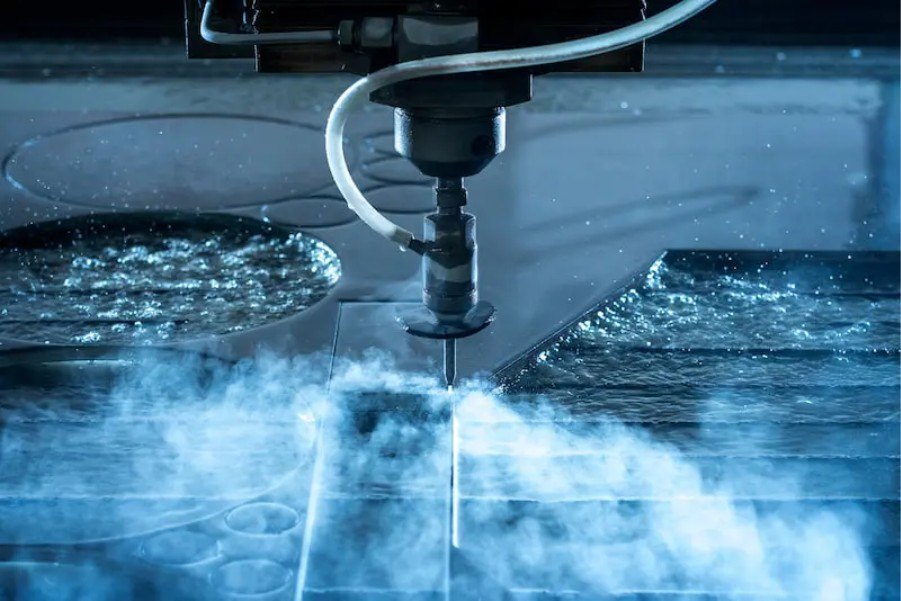
Ultametallic’s fabrication capabilities include metal cutting, forming, manufacturing, and CNC water jet cutting, providing several processes that can be used depending on the customer’s requirements.
Durability for Saudi Arabian Industrial Environments
Industrial equipment in Saudi Arabia can operate under demanding environmental and working conditions. Heat, dust, abrasive materials, and continuous equipment use can influence component requirements.
For applications involving significant wear, selecting an appropriate wear-resistant steel can be an important consideration. Hardox steel is used for wear-resistant applications, while Ultametallic’s approved service centre status supports its work with Hardox materials.
The appropriate material and fabrication process should always be determined according to the specific application, equipment design, and project requirements.
Applications of Steel Fabrication in Heavy Equipment Projects
Equipment Frames and Structural Components
Steel fabrication can support the production and repair of structural components used in heavy equipment. Depending on the equipment and project, fabricated steel may be used for frames, supports, bases, platforms, and other structural assemblies.
The fabrication process can include cutting and forming individual steel pieces before they are assembled and welded into the required configuration.
For industrial customers, the ability to have components fabricated according to project specifications can be useful when standard parts are not suitable for a particular application.
Industrial Machinery and Equipment Assemblies
Industrial machinery often consists of multiple components that must work together according to the equipment’s design. Fabricated steel can form part of these assemblies and may be used for new equipment manufacturing, replacement components, or maintenance work.
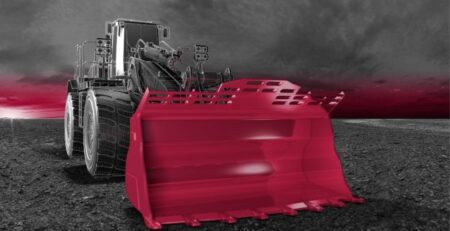
Ultametallic provides steel forming and manufacturing services as well as equipment-related services such as bucket manufacture and maintenance and boom maintenance.
This combination allows the company to support both fabrication requirements and selected heavy equipment maintenance applications.
Infrastructure and Support Structures
Steel fabrication can also be applied to industrial infrastructure and support structures. Depending on project specifications, fabricated steel may be used for platforms, supports, frames, and other components required within industrial facilities and equipment-related projects.
The specific fabrication method depends on the component’s design, material, dimensions, and intended application. Industrial customers should therefore work with a fabricator capable of understanding these requirements before production begins.
Choosing Steel Fabrication Services in Saudi Arabia
Evaluating Fabrication Capabilities
When evaluating steel fabrication companies, industrial businesses should consider whether the supplier has the equipment, technical knowledge, and fabrication processes required for the project.
Capabilities such as cutting, forming, bending, welding, CNC cutting, and steel manufacturing can be relevant depending on the application.
Ultametallic’s service portfolio includes metal cutting, CNC water jet cutting, steel forming and manufacturing, Hardox forming, bucket manufacture and maintenance, and boom maintenance.
Quality and Fabrication Standards
Quality is an important consideration when fabricated components are being used in heavy equipment and industrial applications. Customers should consider material selection, dimensional requirements, fabrication processes, welding, and inspection requirements when assessing a supplier.
Material expertise is also important when working with specialised steels. Ultametallic’s approved SSAB service centre status supports its work with Hardox wear-resistant steel and its related fabrication processes.
Project Requirements and Delivery Coordination
Clear communication between the customer and fabrication company can help ensure that the finished component corresponds with the project requirements.
Before fabrication begins, relevant information may include drawings, dimensions, material specifications, quantities, intended applications, and required delivery schedules.
For complex industrial projects, coordinating these details from the beginning can help reduce misunderstandings and avoid unnecessary fabrication changes or rework.
Steel Fabrication Saudi Arabia for GCC Industrial Markets
Supporting Saudi Arabia’s Industrial Sector
Saudi Arabia is Ultametallic’s primary market. The company provides fabrication and equipment-related services for industrial customers requiring solutions for steel components, wear parts, and heavy equipment applications.
Its Saudi Arabian operations include a workshop equipped for fabrication using Hardox and other types of steel, supported by engineers and technicians with capabilities that include external site work, installation, and maintenance.
This industrial focus allows the company to align its fabrication services with the practical requirements of customers operating in Saudi Arabia.
Serving Industrial Requirements Across the GCC
While Saudi Arabia remains the primary market, Ultametallic also serves customers across GCC countries.
Industrial requirements can vary from one project to another, but customers across the region may require fabricated components, wear-resistant parts, equipment maintenance, or project-specific steel manufacturing.
By maintaining a focus on industrial fabrication and equipment applications, Ultametallic can support customers looking for steel fabrication solutions within Saudi Arabia and the wider GCC market.
How Ultametallic Approaches Industrial Steel Fabrication
Understanding Customer and Project Specifications
Every fabrication project begins with understanding what the customer needs. Dimensions, material requirements, drawings, application, quantities, and equipment specifications can all influence the fabrication process.
Ultametallic works with customers on steel manufacturing and fabrication requirements, including the production of pieces through cutting, folding, and assembly.
Understanding the application before fabrication helps ensure that the selected material and fabrication processes are appropriate for the intended purpose.
Fabrication Focused on Industrial Applications
Ultametallic’s services are focused on industrial fabrication and heavy equipment-related applications. Its capabilities include steel forming and manufacturing, metal cutting, CNC water jet cutting, Hardox forming, bucket manufacture and maintenance, and boom maintenance.
The company also works with Hardox wear-resistant steel as an approved SSAB service centre, supporting applications where wear resistance is an important material requirement.
Quality, Accuracy, and Reliable Project Support
Industrial fabrication requires attention to the specifications established for each project. Accurate cutting, appropriate forming, correct assembly, and suitable welding processes are important stages in producing fabricated components.
Ultametallic also provides external site work, installation, and maintenance support through its technical team. This allows its services to extend beyond workshop fabrication for customers requiring equipment-related support.
Conclusion
Professional steel fabrication services help industrial companies develop reliable components for heavy equipment and demanding applications. Ultametallic provides steel fabrication, Hardox forming, metal cutting, bucket manufacture and maintenance, and boom maintenance services for customers in Saudi Arabia and across the GCC.
For reliable steel fabrication Saudi Arabia solutions tailored to your project requirements, choose a fabrication partner with the right expertise and capabilities. Contact Ultametallic today to discuss your steel fabrication and heavy equipment requirements.
FAQ
1. What is industrial steel fabrication?
Industrial steel fabrication is the process of cutting, forming, welding, and assembling steel into components for industrial applications.
2. Why is steel fabrication important for heavy equipment?
It helps produce durable, application-specific components for heavy machinery and industrial equipment.
3. What types of steel can be used in fabrication?
Different steel types can be used depending on the component, operating conditions, and project requirements.
4. What is Hardox steel used for?
Hardox is a wear-resistant steel commonly used for components exposed to abrasion and demanding operating conditions.
5. Where are steel fabrication services used?
Steel fabrication services are used across heavy equipment, industrial machinery, infrastructure, maintenance, and other manufacturing applications.