What Are the Key Quality Checks in Professional Sheet Metal Fabrication?
Introduction
In heavy equipment, contracting, quarrying, crushers, cement plants, and industrial maintenance, fabricated steel parts must do more than look correct. They must fit properly, perform safely, resist wear, and remain reliable under real working conditions. A small error in material selection, cutting, bending, welding, or finishing can lead to poor fitment, repeated repairs, premature wear, or costly equipment downtime.
Quality sheet metal fabrication is therefore not only about cutting and welding steel. It is a controlled process that combines practical workshop experience, correct material selection, dimensional inspection, welding control, and final checking before delivery. For buyers, understanding these checks makes it easier to evaluate a fabrication workshop and reduce the risk of receiving parts that fail during installation or service.
At Ultametallic, we operate as a specialized steel fabrication workshop and Authorized Hardox® Wearparts Center in Riyadh, Saudi Arabia. We support customers with steel fabrication solutions, CNC cutting services, Hardox® wear parts, bucket repair, and custom wear protection solutions for demanding industrial and heavy equipment applications.
What Is Sheet Metal Fabrication?
Sheet metal fabrication is the process of transforming steel sheets or plates into usable components through cutting, bending, forming, drilling, welding, grinding, and finishing. The final product may be a bracket, protective cover, machine guard, industrial panel, liner, bucket repair part, or custom wear protection component.
In professional fabrication, the work usually begins with a drawing, sample, site measurement, or equipment requirement. The workshop then selects the correct material, prepares the cutting plan, forms the part if required, welds or assembles the component, and completes the finishing process. Each step must be checked because one mistake early in the process can affect the entire job.
For applications exposed to abrasion and impact, standard steel may not always be suitable. Ultametallic can provide Hardox® wear parts manufacturing for demanding working environments parts used as buckets, liners, chutes, crushers, hoppers, and other components that operate in tough environments.
Why Quality Checks Matter
Poor fabrication can create several problems for the end user. Incorrect dimensions can make installation difficult. Weak welds can fail during operation. Poor edge quality can affect safety and appearance. Wrong material selection can reduce service life. Misalignment can cause vibration, stress concentration, and additional wear on connected parts.
Quality checks help prevent these problems before the part reaches the customer. Inspection should not be treated as a single final step only. It should happen before fabrication, during production, and before delivery. This approach helps ensure that the final component matches the required dimensions, is suitable for its operating conditions, and is ready for installation.
Key Quality Checks in Sheet Metal Fabrication
1. Material Inspection
The first quality check is confirming that the right material is being used. The workshop should check the steel grade, thickness, surface condition, and suitability for the application. If the job requires a specific grade or certified material, the material certificate should also be reviewed.
This step is especially important when manufacturing wear parts or components exposed to impact, abrasion, or heavy loads. Using the wrong material may reduce the life of the component even if the cutting and welding are accurate. The correct choice depends on the working environment and customer requirement.
2. Drawing, Sample, and Requirement Review
Before cutting starts, the team should review the drawing, sample, or measurement details. This includes checking dimensions, hole positions, bend lines, tolerances, welding requirements, and any special notes related to finishing or installation. If any detail is unclear, it should be clarified before production begins.
This review helps avoid rework and material waste. It is also useful when customers provide an old part as a sample instead of a formal drawing. In such cases, the workshop must understand whether the sample should be copied exactly or corrected for wear, deformation, or previous repair damage.
3. Cutting Accuracy
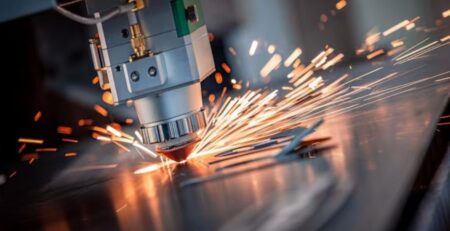
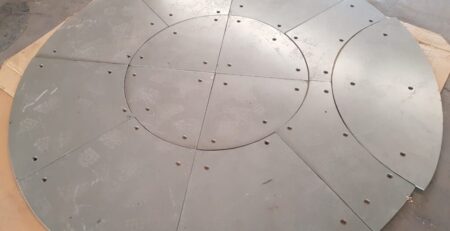
Accurate cutting is one of the most important quality checks in sheet metal fabrication. CNC cutting services help improve accuracy, repeatability, and consistency, especially when multiple parts are required. During and after cutting, the workshop should check the part dimensions, hole locations, edge quality, cutting marks, burrs, and overall shape.
Good cutting accuracy reduces problems during bending, welding, and installation. Poor cutting can lead to oversized holes, uneven edges, weak fitment, and extra grinding work. For industrial parts, these issues may affect performance and safety, not only appearance.
4. Bending and Forming Check
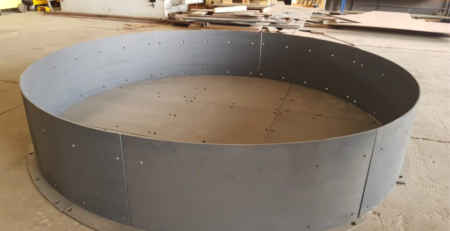
After bending or forming, the part should be compared with the drawing, sample, or required fitment. The team should check bend angle, bend location, overall length, width, flatness, and whether the formed part can be assembled correctly.
Bending quality is important because even a small error in angle or position can affect installation. This is common in covers, guards, brackets, liners, and panels. Proper checking at this stage prevents the workshop from continuing with welding or finishing on a part that may not fit later.
5. Fitment and Dimensional Inspection
Fitment checks confirm that the fabricated part matches the required application. This can include measuring critical dimensions, checking hole alignment, comparing the part with a sample, or conducting a trial fit when possible. For repair and replacement parts, fitment readiness is one of the most practical quality indicators.
Dimensional inspection is especially important for equipment repair parts, buckets, liners, and industrial components where site installation time is limited. A part that looks acceptable in the workshop may still cause delays if it does not align correctly with the machine or structure.
6. Welding Inspection
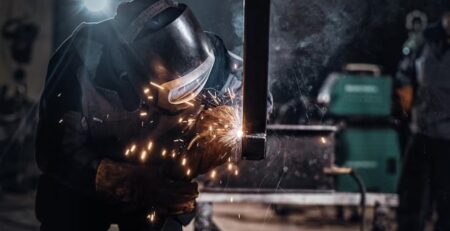
For repair and fabrication work, weld quality is critical. Welding checks may include weld alignment, visual cracks, proper joining, penetration where applicable, grinding and finishing, and strength of the welded area. The required level of inspection depends on the application, load, and customer specification.
Ultametallic supports industrial welding and repair services for buckets, wear parts, structures, and industrial components.
In heavy equipment and industrial repair, welds often operate under vibration, impact, and high stress. Poor welding can cause cracks, separation, or repeat failures. A professional fabrication workshop should use suitable welding procedures, experienced welders, and practical inspection before the job is completed.
7. Surface Finishing and Edge Safety
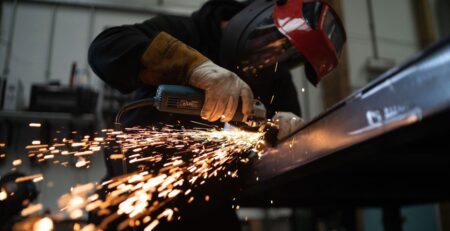
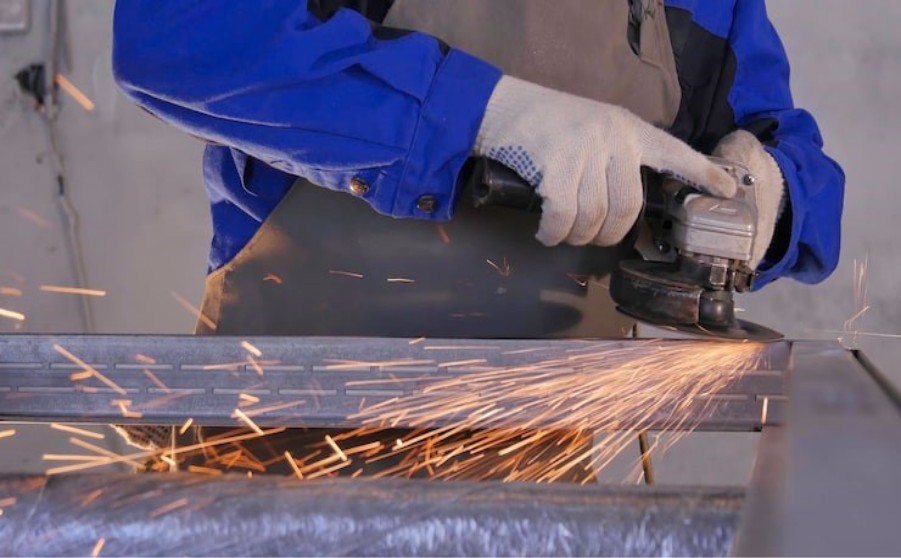
Final finishing is another important part of quality control. Before delivery, fabricated parts should be checked for sharp edges, burrs, rough surfaces, grinding marks, weld spatter, paint or coating quality, and general appearance. Edges should be safe to handle, and finishing should match the agreed requirement.
For painted or coated parts, the surface should be prepared properly so the coating can perform as intended. For wear parts, the focus may be more on fitment, welding, and functional readiness than cosmetic appearance. The correct finishing standard should always match the purpose of the part.
8. Quantity, Identification, and Delivery Check
Before dispatch, the workshop should verify the correct quantity, part identification, drawing or job reference, and delivery condition. This is especially important when a project includes many similar components with different dimensions or hole patterns.
Clear identification reduces confusion at the customer site and helps installation teams work faster. Packaging and handling should also protect the parts from damage during transport, particularly when parts are heavy, sharp, painted, or machined.
Common Fabrication Issues
The most common fabrication issues include wrong dimensions, warping, poor edge quality, weak welding, misalignment, incorrect hole positions, unsuitable material selection, and premature wear. These issues often result from rushing the process or skipping inspections between fabrication stages.
A specialized fabrication workshop reduces these risks through proper tools, experienced technicians, CNC cutting capability, welding knowledge, and practical inspection. The goal is not only to produce a part but to deliver a component that fits, performs, and supports the customer’s operation.
Choosing a Fabrication Workshop in Saudi Arabia
When choosing a sheet metal fabrication partner, buyers should consider more than price alone. Important factors include experience with industrial and heavy equipment work, ability to fabricate from drawings or samples, CNC cutting capability, welding and repair experience, wear parts knowledge, Hardox capability, local support, and response time.
For contractors, crushers, quarries, cement plants, workshops, and heavy equipment owners, local fabrication support can reduce downtime and improve flexibility. A reliable workshop can help with urgent repairs, replacement parts, custom guards, liners, bucket repair, and wear protection solutions based on real site requirements.
Why Choose Ultametallic?
Ultametallic is a specialized steel fabrication workshop and Authorized Hardox® Wearparts Center in Saudi Arabia.
We support customers who need practical fabrication work for heavy equipment, industrial maintenance, mining, quarrying, crushers, cement plants, and contracting applications.
Our services include:
- Steel fabrication solutions
- CNC cutting services
- Hardox® wear parts
- Industrial welding and repair
- Bucket repair and wear protection
Conclusion
Professional sheet metal fabrication depends on quality checks from material inspection and drawing review to cutting accuracy, bending control, fitment verification, welding inspection, finishing, and delivery checking. Each step helps reduce rework, installation delays, premature wear, and equipment downtime.
Need practical fabrication support in Saudi Arabia?
Contact Ultametallic for steel fabrication, CNC cutting, Hardox® wear parts, bucket repair, and wear protection solutions.
FAQ
1. Why are quality checks important in sheet metal fabrication?
Quality checks help ensure fabricated parts fit correctly, perform safely, and deliver reliable service in demanding applications such as mining, quarrying, cement plants, construction, and heavy equipment maintenance.
2. Can fabricated parts be manufactured from a sample instead of a drawing?
Yes. Professional fabrication workshops can manufacture replacement parts from existing samples, worn components, or site measurements when engineering drawings are unavailable. This is common for repair and maintenance projects involving heavy equipment and industrial machinery.
3. What quality checks should be performed before fabricated parts are delivered?
Before delivery, fabricated parts should be inspected for material compliance, dimensional accuracy, fitment, welding quality, surface finishing, quantity verification, and overall readiness for installation.
4. What industries require professional steel fabrication services?
Steel fabrication services are widely used in construction, mining, quarrying, cement plants, material handling facilities, manufacturing operations, industrial maintenance, and heavy equipment repair applications.
5. Do you provide CNC cutting services in Riyadh, Saudi Arabia?
Yes. Ultametallic provides CNC cutting services for steel plates and fabricated components used in industrial maintenance, repair projects, wear protection applications, and custom steel fabrication requirements.
6. What are the benefits of using Hardox® wear parts instead of standard steel?
Hardox® wear parts are designed to provide superior wear resistance, longer service life, reduced maintenance requirements, and improved productivity in abrasive operating environments such as crushers, chutes, hoppers, buckets, and material handling systems.
7. Can Hardox® wear parts help reduce maintenance downtime?
In many applications, Hardox® wear parts can extend component life compared to conventional steel, helping reduce replacement frequency, maintenance interventions, and unplanned equipment downtime.
8. Why choose Ultametallic for steel fabrication and wear solutions in Saudi Arabia?
Ultametallic is an Authorized Hardox® Wearparts Center in Riyadh, Saudi Arabia, providing steel fabrication, CNC cutting, industrial welding, bucket repair, wear protection solutions, and custom-manufactured wear parts for demanding industrial applications.